

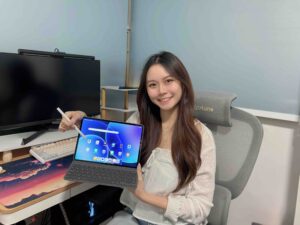
The Xiaomi Pad 8 wasn’t something I expected to rely on, but after using it for a while, I realised it slowly started taking over parts of my daily workflow without me even noticing. It’s one of those devices that doesn’t shout, but just quietly fits into how you work and unwind.
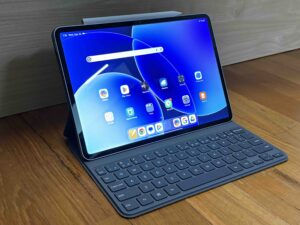
What stood out to me early on was how familiar and intuitive it felt. The build is solid, the finish is clean, and there’s a level of polish that makes it feel more premium than I expected. It has that refined, well-balanced feel in hand, where everything just comes together nicely.
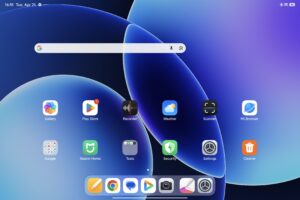
The first thing I appreciated was the display. The 11.2-inch 3.2K screen with a 144Hz refresh rate just makes everything feel smooth and sharp. When I’m scrolling through long articles, editing drafts, or even just browsing, it feels effortless. Text is crisp, and there’s this fluidity that makes reading less tiring. It comes with support for Dolby Vision, HDR10 and DCI-P3 colour, and it still looks vibrant and well-balanced for most of what I do. Brightness goes up to 800 nits, which helps when I’m using it in brighter environments.
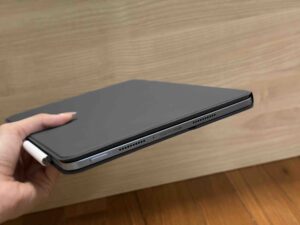
At just 5.75mm thin and weighing 485g, it feels easy to carry around.
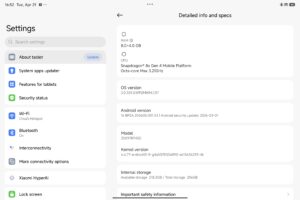
Performance-wise, it’s fast. The Snapdragon 8s Gen 4 chip gives it that flagship-level responsiveness, and you can feel it immediately. Switching between apps, opening multiple tabs, and running heavier apps. Everything just works without lag.
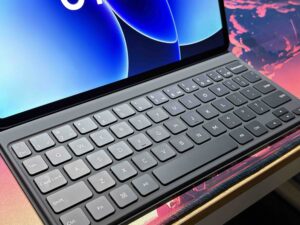
Where I ended up using it the most is actually for writing. Drafting articles, editing paragraphs, replying to emails. It feels surprisingly natural, especially when paired with a keyboard. It’s not exactly a full laptop replacement, but for lighter editorial work, it’s more than enough. In fact, I like how it feels less rigid. I can write on the sofa, at a café, or anywhere without feeling like I need a full setup.
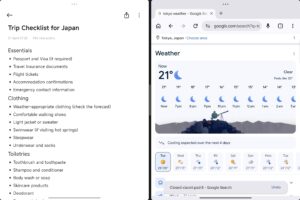
I also found myself using it a lot for research. The bigger display makes a difference when you’re comparing specs, zooming into details, or just reading long-form content. I usually have a browser on one side and notes on the other, and it just feels more comfortable than doing everything on a smaller screen.
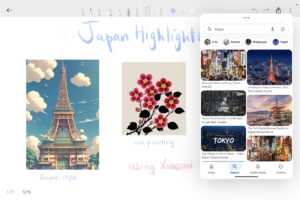
The multitasking features help with this flow. Split screen and floating windows aren’t new, but here they feel usable enough for everyday tasks. I can have references open while writing, or watch something while taking notes. It’s not trying to be a full desktop, but it gives me just enough flexibility to stay productive without overcomplicating things.


One thing I’ve been exploring more is the AI features built into Xiaomi HyperOS. On Mi Canvas, I tried using it to turn simple ideas or rough sketches into more polished visuals, and it actually works quite well for quick concepts. I started using it to build a small lifestyle journal, pairing short write-ups with AI-generated visuals.
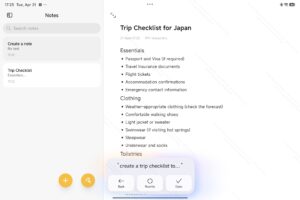
The AI Writing assistant is probably the one I use the most. When I’m drafting notes, it helps me refine sentences, summarise content, or adjust the tone depending on what I need.
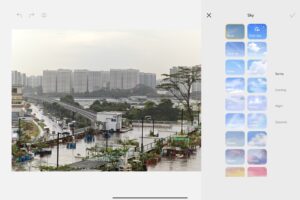
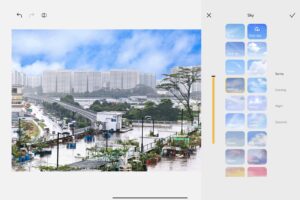
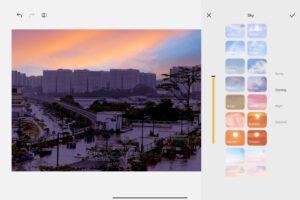
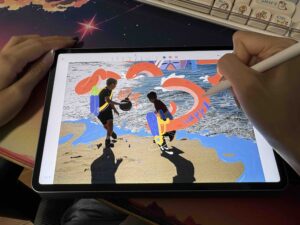
The AI Creativity Assistant adds a surprisingly capable layer to image editing. Beyond basic adjustments, it allows me to expand scenes, erase distractions, change skies, introduce bokeh effects, or isolate subjects with cutout tools. The pen, it adds another layer to that experience. The high touch sampling rate makes writing and sketching feel responsive, whether I’m jotting quick notes or annotating ideas.

Gaming on this is honestly one of the highlights. The larger screen, combined with the high refresh rate,e makes games feel more immersive than on a phone. I tried running heavier titles, and it handled them smoothly without major drops.
Battery life has been reliable, too. With a 9200mAh battery, it easily lasts me through a full day of mixed use, from writing to browsing to watching videos. And with 45W fast charging, I don’t really stress about topping it up.
At the end of the day, I don’t see the Xiaomi Pad 8 as a laptop replacement. It’s more like a flexible middle ground. It handles most of what I need, and it does it in a way that feels lighter and more natural.
The Xiaomi Pad 8 retails for S$529. Find out more here.